
Dr. Yves Saint James Aquino
Doctor and philosopher of medicine, ethicist, social scientist
Research IDs:



Research topics in philosophy and ethics

1. Ethics of AI and big data in healthcare
I examine a broad range of philosophical and ethical issues raised by artificial intelligence and big data in healthcare applications (such as diagnosis and screening). These issues include algorithmic bias, data inequities, data diversity, deskilling, and ethical governance of AI-related research.
Related projects
Related publications
- Aquino, Y. S. J. (2023). Making decisions: Bias in artificial intelligence and data‑driven diagnostic tools. Australian Journal of General Practice, 52(7), 439-452.
- Aquino, Y. S. J., Rogers, W. A., Braunack-Mayer, A., Frazer, H., Win, K. T., Houssami, N., Degeling, C., Semsarian, C., & Carter, S. M. (2023). Utopia versus dystopia: professional perspectives on the impact of healthcare artificial intelligence on clinical roles and skills. International Journal of Medical Informatics, 169, 104903.
- Starke, G., Gille, F., Termine, A., Aquino, Y. S. J., Chavarriaga, R., Ferrario, A., Hastings, J., Jongsma, K., Kellmeyer, P., & Kulynych, B. (2025). Finding Consensus on Trust in AI in Health Care: Recommendations From a Panel of International Experts. Journal of medical Internet research, 27, e56306. https://doi.org/10.2196/56306
2. Pathologising ugliness in cosmetic surgery
This research builds on my PhD project that developed an innovative critique of body modification by focusing on the practice of pathologising ugliness, which is the process of framing physically unattractive features as medical disorders or deformities, thereby justifying surgical or medical interventions as therapy rather than enhancement. This research draws on clinical ethics, ethics of cosmetic surgery, ethics of enhancement, and philosophy of medicine. Specific case studies include Asian cosmetic surgery, cosmetic surgery regulation, and beauty apps.
Related projects
Related publications
- Aquino, Y. S. J. (2020). Ugliness as disease: A dangerous intersection of medical and aesthetic traditions (Beauty and the Christian Tradition. Pauline Books and Media.
- Aquino, Y. S. J. (2022). Pathologising Ugliness: A conceptual analysis of the naturalist and normativist claims in ‘aesthetic pathology’. Journal of Medicine and Philosophy(6).
3. Public health and research ethics
This research offers a critical approach to examining contemporary issues in public health ethics (overdiagnosis, pandemic, resource allocation, social justice), and research ethics and governance (research ethics committees, publication ethics, consent). This research draws on my current role as the Editor in Chief of Research Ethics (Sage), and as a member of Bellberry Ltd‘s Human Research Ethics Committee.
Related projects
- Wiser Healthcare: A research collaboration for reducing overdiagnosis and overtreatment
Related publications
- Williams, J., Aquino, Y. S. J., & Haire, B. (2024). Editorial: Preparing for the next global crisis: research ethics and integrity matters in crisis situations—and Hello from the New Co-Editors-in-Chief. Research Ethics, 20(4), 633-635.
- Aquino, Y. S. J., Cabrera, N., Salisi, J., & Yarcia, L. E. (2022). Monkeypox and the legacy of prejudice in targeted public health campaigns. BMJ Global Health, 7(10), e010630.
- Aquino, Y. S. J., Rogers, W. A., Scully, J. L., Magrabi, F., & Carter, S. M. (2022). Ethical guidance for hard decisions: a critical review of early international COVID-19 ICU triage guidelines. Health Care Analysis, 30(2), 163-195.
interdisciplinary approaches

1. Empirical Bioethics
Empirical bioethics is an approach that combines traditional philosophical analysis and social science research methods to study bioethical issues (1). These research methods include qualitative research methodologies such as focus groups and in-depth interviews. I’ve conducted interview studies, focus groups, and citizens’ juries.
Related publications
- Aquino, Y. S. J., Carter, S. M., Houssami, N., Braunack-Mayer, A., Win, K. T., Degeling, C., Wang, L., & Rogers, W. A. (2025). Practical, epistemic and normative implications of algorithmic bias in healthcare artificial intelligence: a qualitative study of multidisciplinary expert perspectives. Journal of Medical Ethics, 51, 420-428.
- Carter, S. M., Aquino, Y. S. J., Carolan, L., Frost, E., Degeling, C., Rogers, W. A., Scott, I. A., Bell, K. J., Fabrianesi, B., & Magrabi, F. (2024). How should artificial intelligence be used in Australian health care? Recommendations from a citizens’ jury. Medical Journal of Australia, 220(8), 409-416.
2. ELSI Research
ELSI, which stands for “ethical, legal and social implications” (or “issues”), is an approach to ethical examination of novel and emerging biomedical research, practice or technology (2). I have applied the ELSI approach to examine the ethics of AI and big data, ethics of using genomics for newborn screening, and ethics of cosmetic surgery.
Related projects
Related publications
- Aquino, Y. S. J., Shih, P., & Bosward, R. (2025). The ethical, legal and social implications of Artificial Intelligence in Public Health. In S. R. Quah & A. Braunack-Mayer (Eds.), International Encyclopedia of Public Health (Third ed., Vol. 7, pp. 335-343): Elsevier.
- Richards, B., Jacobson, S. L. S., & Aquino, Y. S. J. (2021). Regulation of AI in Health Care: A Cautionary Tale Considering Horses and Zebras. Journal of Law and Medicine, 28(3), 645-654.
3. Experimental Philosophy
Experimental philosophy combines traditional philosophical analysis and methods associated with contemporary cognitive science, including systematic experimentation and statistical analysis (3).
Related publications
- Aquino, Y. S. J., Rohrbach, T., & Shih, P. (2025). Ethics of algorithmic invasiveness in beauty apps: an online experimental survey of public perspectives. Information, Communication & Society, 1–19. https://doi.org/10.1080/1369118X.2025.2590550
- Woode, M. E., De Silva Perera, U., Degeling, C., Aquino, Y. S. J., Houssami, N., Carter, S. M., & Chen, G. (2025). Preferences for the Use of Artificial Intelligence for Breast Cancer Screening in Australia: A Discrete Choice Experiment. The Patient – Patient-Centered Outcomes Research, 18(5), 495-510. https://doi.org/10.1007/s40271-025-00742-w
Methodological expertise
1. Philosophical analysis
As a philosopher, I’m trained in traditional analytical methods in philosophy, including armchair analysis, conceptual analysis, and thought experiments (4). I’ve used philosophical analysis to examine the practice of pathologising ugliness, drawing on the naturalist and normavtivist definitions of health and disease.
Check out some of my publications on this method ↓
- Aquino, Y. S. J. (2022). Pathologising Ugliness: A conceptual analysis of the naturalist and normativist claims in ‘aesthetic pathology’. Journal of Medicine and Philosophy(6).
- Aquino, Y. S. J., & Carter, S. (2024). Adaptive Medical Machine Learning Models Should Not Be Classified as Perpetual Research, but Do Require New Regulatory Solutions. The American Journal of Bioethics, 24(10), 82-85.
- Aquino, Y. S. J., & Steinkamp, N. (2016). Borrowed beauty? Understanding identity in Asian facial cosmetic surgery. Medicine, Health Care and Philosophy.
2. Qualitative research methods
I have been involved in multi-method empirical bioethics projects that use qualitative research methods to examine issues in healthcare artificial intelligence, genomics, public health programs and other emerging issues. I have led or co-led interview studies, focus groups, survey studies.
Check out some of my publications on this method ↓
- Aquino, Y. S. J., Rogers, W. A., Jacobson, S. L. S., Richards, B., Houssami, N., Woode, M. E., & Carter, S. M. (2024). Defining change: Exploring expert views about the regulatory challenges in adaptive artificial intelligence for healthcare. Health Policy and Technology.
- Frost, E. K., Aquino, Y. S. J., Braunack‐Mayer, A., & Carter, S. M. (2025). Understanding Public Judgements on Artificial Intelligence in Healthcare: Dialogue Group Findings From Australia. Health Expectations, 28(2), e70185. https://doi.org/10.1111/hex.70185
3. Deliberative democratic methods
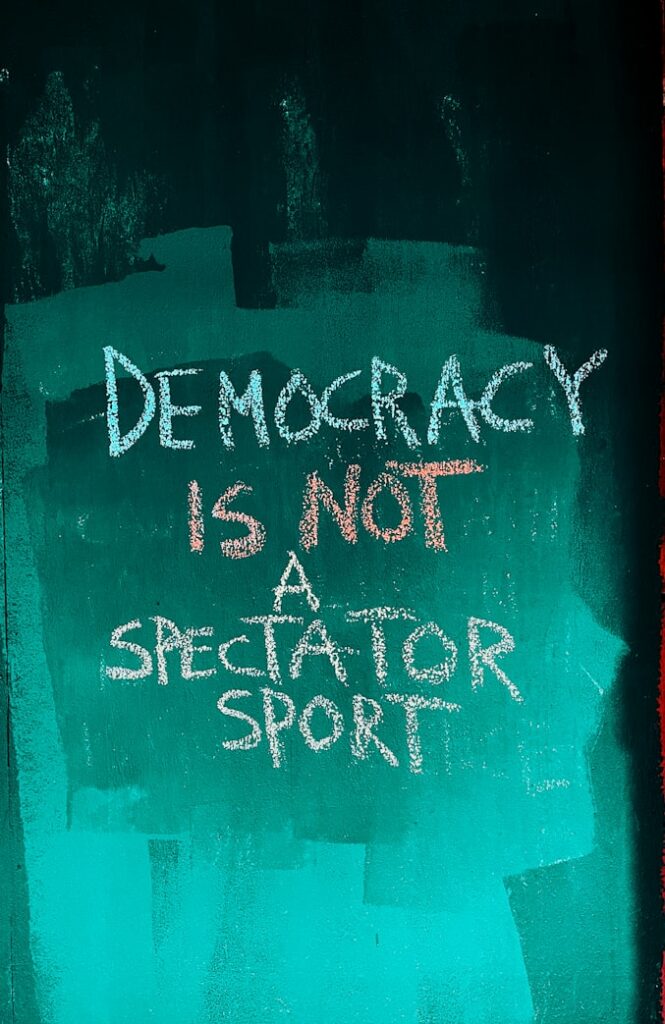
These methods draw on deliberative democracy, a political ideal where ‘people come together on the basis of equal status and mutual respect, to discuss the political issues they face, and, on the basis of those discussions, decide on the policies that will then affect their lives’ (5). Deliberative democratic practices are practical applications of these ideals (6). I have been trained in conducting citizens’ juries using the hybrid method developed by my mentor Prof Stacy Carter (7).
Check out some of my publications on this method ↓
- Aquino, Y. S. J., Carter, S., & Degeling, C. (2023). Not All Publics Are the Same—A Note on Power, Diversity, and Lived Expertise in Public Deliberation. The American Journal of Bioethics(https://doi.org/10.1080/15265161.2023.22).
- Carter, S. M., Aquino, Y. S. J., Carolan, L., Frost, E., Degeling, C., Rogers, W. A., Scott, I. A., Bell, K. J., Fabrianesi, B., & Magrabi, F. (2024). How should artificial intelligence be used in Australian health care? Recommendations from a citizens’ jury. Medical Journal of Australia, 220(8), 409-416.
Ongoing Research Activities
| Status | Research activity | Outputs |
|---|---|---|
| Ongoing data collection | I’m leading an interview study with chairs of human research ethics committees about the use of general practice data for research | |
| Ongoing data collection | I’m leading a systematic review of governance of AI-related research | |
| Ongoing data collection | I’m co-leading a systematic review of the use of deliberative research methodologies in healthcare | |
| Publication under review | I co-led a national citizens’ jury on the use of genomics for newborn bloodspot screening | – Peer-reviewed article currently under review – Policy brief sent to policymakers – Full report in development |
Bibliography
- Strech, D., Synofzik, M., & Marckmann, G. (2008). Systematic reviews of empirical bioethics. Journal of Medical Ethics, 34(6), 472-477.
- Ogbogu, U., & Ahmed, N. (2022). Ethical, Legal, and Social Implications (ELSI) research: methods and approaches. Current Protocols, 2(1), e354.
- Knobe, J. (2007). Experimental philosophy. Philosophy Compass, 2(1), 81-92.
- Horvath, J. (2025). Philosophical Methods: A General Introduction. In Joachim Horvath, Steffen Koch & Michael G. Titelbaum, Methods in Analytic Philosophy: A Primer and Guide. London, ON: PhilPapers Foundation. pp. 1-29.
- Bächtiger, A., Dryzek, J. S., Mansbridge, J., & Warren, M. E. (Eds.). (2018). The Oxford handbook of deliberative democracy. Oxford University Press.
- Ercan, S. A., Asenbaum, H., Curato, N., & Mendonça, R. F. (2022). Researching Deliberative Democracy. Research Methods in Deliberative Democracy. In Selen A. Ercan, and others (eds), Research Methods in Deliberative Democracy (Oxford, 2022; online edn, Oxford Academic, 17 Nov. 2022)
- Carter, S. M., Aquino, Y. S. J., Carolan, L., Frost, E., Degeling, C., Rogers, W. A., … & Magrabi, F. (2024). How should artificial intelligence be used in Australian health care? Recommendations from a citizens’ jury. Medical Journal of Australia, 220(8), 409-416.
Back to Back